Introduction
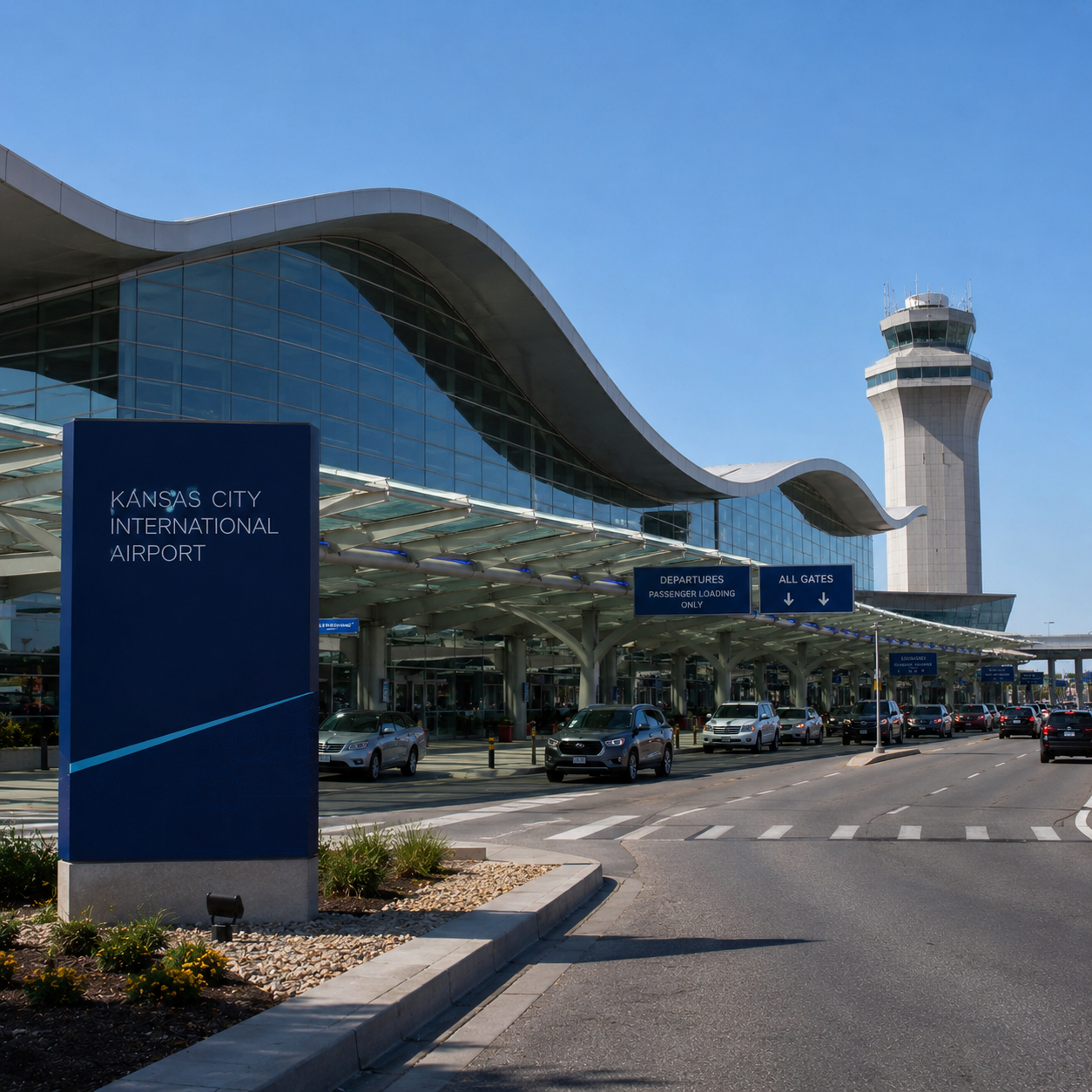
Airports are complex sites with high traffic, shifting schedules, and public-facing areas that shape a traveler’s first and last impressions. For Kansas City airport facility managers, airport sweeping must balance cleanliness, safety, and operational coordination. This article explains practical, innovative approaches to keeping airport exteriors clean and functional without making unverified claims about runway work.
Why Specialized Airport Sweeping Matters
Airport grounds include many distinct zones — passenger curbside, short- and long-term parking lots, parking garages, cargo yards, service roads, and support facilities. Each area has unique debris patterns and operational constraints. Specialized sweeping tailored to these zones helps reduce trip hazards, limits debris that can damage vehicles, and improves overall appearance for passengers, tenants, and staff.
Key Areas to Prioritize When Airport Sweeping
- Curbside and Passenger Drop-Offs: High foot traffic and vehicle idling create litter and fluid drips. Frequent sweeping and day porter services help maintain appearance during peak travel periods.
- Parking Lots and Long-Term Parking: Surface debris, tire rubber, and seasonal leaf buildup are common. Regular mechanical sweeping combined with occasional pressure washing keeps surfaces safe and clean — see our Parking Lot Sweeping service for details.
- Parking Garages: Enclosed structures need sweeping approaches that reduce dust and collect debris from multiple levels. Learn more about garage-specific methods on our Parking Garage Sweeping page.
- Cargo and Service Areas: Logistics zones may accumulate pallet debris, packing materials, and dust. Scheduled sweeping minimizes operational interruptions and helps maintain clear turning and loading lanes.
- Support Roads and Access Ways: Sweeping service roads and access lanes reduces tracking of sediments onto passenger areas and parking surfaces.
Innovative Airport Sweeping Approaches That Work
All Care Services has delivered commercial airport sweeping across the Kansas City metro since 1999 and offers options that align with airport sweeping needs. Consider these practical approaches:
- Custom Maintenance Programs: Tailored schedules that reflect facility size, traffic patterns, and seasonal needs reduce unnecessary service and focus resources where they matter most. See our general Services overview for program options.
- Night Sweeping and Day Porter Programs: Nighttime work can limit conflicts with daytime passenger flows, while day porters handle continuous litter and spill response during operating hours.
- Integrated Pressure Washing: For oil spots, gum, and stains on curbs and high-touch areas, combining mechanical sweeping with targeted pressure washing improves appearance and safety — more on integrated cleaning at Pressure Washing.
- Trained Operators and Safety Focus: Well-trained operators who follow airport access and safety protocols reduce the chance of operational conflicts. The company’s site highlights training and safety materials used internally.
- Coordination With Facility Schedules: Work windows should be coordinated with airport facility managers and contractors to avoid peak arrival/departure times and tenant operations.
Practical Airport Sweeping Scheduling Recommendations
- High-traffic curbside: Multiple daily touch-ups or a dedicated day porter during peak travel periods.
- Long-term parking and garages: Nightly or several-times-weekly sweeping depending on usage levels and seasonal leaf fall.
- Cargo and service zones: Scheduled sweeps aligned with freight schedules and after major freight movements.
What To Ask When Choosing an Airport Sweeping Partner
When evaluating vendors for airport exterior maintenance, consider asking:
- Do they offer customizable programs for different airport zones?
- Can they perform night sweeping or day porter services to match your operational needs?
- What training and safety procedures do their operators follow?
- Can they coordinate work windows with your operations team?
All Care Services, LLC notes nearly 25 years in business (since 1999) and site claims NAPSA certification for Kansas, which some airports may value when reviewing qualifications.
Coordination, Documentation, And Communication
Clear communication is critical for airport projects. Agree on access procedures, staging areas, identification requirements, and contact points before work begins. A written service plan and post-service reporting help facility managers verify work and schedule adjustments.
Final Thoughts
Airport Sweeping and exterior maintenance in Kansas City requires a pragmatic, zone-specific approach that balances visibility, safety, and operations. Combining customized sweeping schedules, trained crews, night programs, and pressure washing where appropriate keeps passenger-facing areas and support zones in good condition without intruding on daily airport functions.
Reach out to our team today to discuss a focused airport sweeping plan for your Kansas City facility. Contact us through our chat to get started: https://allcaresweeping.com/chat/. For more on services and service areas, visit our home page, Service Areas, and Services pages.